



Nova Biolabs vs Bodypharm GCC: Sourcing in Extreme Climates
Quick Answer: Nova Biolabs vs Bodypharm GCC
When comparing nova biolabs vs bodypharm gcc, Nova Biolabs provides heat-stable lyophilized vials with pre-purchase Janoshik COAs and domestic UAE fulfillment. Bodypharm primarily offers liquid pens shipped internationally, using post-purchase authentication codes. For GCC researchers facing extreme heat, lyophilized stability ensures superior chemical integrity during transit.
Securing high-quality research materials in the Gulf Cooperation Council (GCC) presents a unique set of operational hurdles. Ambient summer temperatures frequently exceed 45°C, international shipping corridors are subject to strict customs inspections, and cross-border payment gateways often introduce friction for institutional and private procurement staff.
For buyers evaluating suppliers, the choice often comes down to formulation stability, documentation visibility, and logistical reliability. This procurement guide evaluates two frequently searched entities in the region: Nova Biolabs (NOVA Labs) and Bodypharm. By examining their respective approaches to product formulation, third-party testing, and regional fulfillment, researchers can make a more informed procurement decision.
Comparison Methodology (2026)
To provide an objective comparison for UAE and GCC procurement managers, this guide evaluates both suppliers across four distinct operational criteria, accurate as of early 2026:
- Formulation Stability: Analyzing how the physical state of the compound (liquid vs. freeze-dried) withstands extreme regional temperatures.
- Analytical Transparency: Comparing pre-purchase third-party laboratory testing against post-purchase brand authentication protocols.
- Logistics and Customs: Assessing fulfillment geography (local vs. international) and its impact on regional border clearance.
- Procurement Friction: Evaluating the availability of localized, recognized payment gateways and customer support channels versus offshore financial channels.
Form Factors: Lyophilized Vials vs Pre-Filled Liquid Pens
The most critical structural difference between these two suppliers is how their products are formulated for transit. Peptides are essentially short chains of amino acids; in aqueous (liquid) solutions, the bonds holding these chains together become highly vulnerable to thermal degradation and hydrolysis.
The Chemistry of Heat Stability
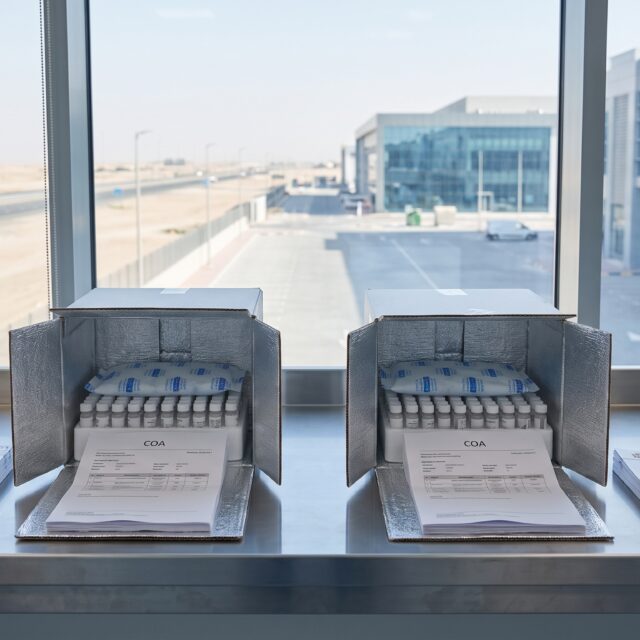
As of 2026, NOVA Labs strictly distributes lyophilized (freeze-dried) powder vials. Lyophilization removes moisture from the compound in a vacuum, suspending the peptide in a highly stable, dormant state. This process is standard in biopharmaceutical supply chains because it allows the compound to endure extreme Middle Eastern transit temperatures without structural breakdown. The peptide remains chemically intact until the researcher is ready to use it, at which point it is reconstituted using bacteriostatic water immediately prior to laboratory application.
Conversely, Bodypharm specializes heavily in pre-filled liquid pens. While this format eliminates the reconstitution step and offers high convenience for rapid laboratory application, aqueous peptides are inherently unstable when exposed to heat and agitation. Maintaining the chemical integrity of a liquid peptide requires a strictly unbroken cold chain from the manufacturing facility to the end user. If an international parcel sits on a sun-exposed tarmac in Dubai or Riyadh during peak summer, the risk of rapid compound degradation and loss of efficacy increases significantly.
For buyers seeking a resilient bodypharm alternative gcc that can withstand regional summer logistics, lyophilized vials present a chemically sounder option for transit. The stability of freeze-dried compounds dramatically reduces the risk of receiving degraded research materials.
Testing Transparency: Pre-Purchase COAs vs Authentication Codes
In the research compound sector, a supplier’s testing protocols dictate their credibility. Buyers must distinguish between verifying a product’s packaging and verifying the chemical purity of the batch inside.
Cryptographically Verifiable COAs
NOVA Labs provides pre-purchase, batch-specific Certificates of Analysis (COAs) conducted by an independent third-party laboratory, Janoshik Analytical. These reports utilize High-Performance Liquid Chromatography (HPLC) and Mass Spectrometry (MS) to confirm the exact purity percentage and molecular mass of the compound. Because Janoshik operates as a blind-testing facility, the COAs are cryptographically verifiable via a unique key on the laboratory’s own domain. This prevents the supplier from altering the results, ensuring absolute transparency. A laboratory manager can view the chemical purity of a batch before committing to a purchase.
The Limitation of Scratch-Off Codes
Bodypharm relies heavily on post-purchase brand authentication. Products frequently arrive with scratch-off UPIC (Unique Product Identification Code) stickers. While these codes confirm that the packaging genuinely originated from Bodypharm’s manufacturing facility, they do not provide accessible HPLC data on the chemical purity of the specific batch. When testing data is displayed by international resellers, it is often via in-house HPLC assays rather than pre-purchase, verifiable third-party blind tests.
For GCC researchers who require rigorous quality assurance documentation for their compliance records, the distinction between a packaging authenticity code and an independent analytical purity report is critical. Authenticity confirms brand; HPLC confirms chemical reality.
Logistics and Customs: Bypassing Regional Bottlenecks
Shipping research materials across international borders into the Middle East requires navigating some of the most sophisticated customs clearing systems globally, including ZATCA in Saudi Arabia, Al Nadeeb in Qatar, and OFOQ in Bahrain.
When evaluating bodypharm vs nova labs gcc, fulfillment geography plays a major role in delivery success rates. Bodypharm operates largely through a decentralized network of international resellers. Because these shipments originate outside the GCC, they are subjected to standard international transit times (typically 7 to 14 days) and extensive cross-border scrutiny. If an international reseller fails to provide appropriate commercial invoices, HS codes, or chemical declarations, parcels face prolonged delays, inspection holds, or outright seizure at the border.
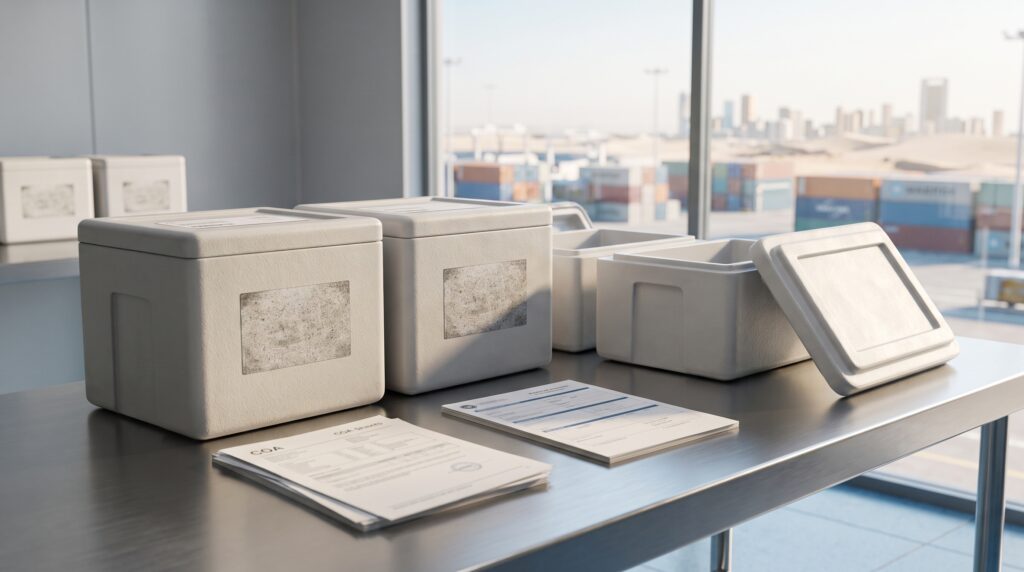
NOVA Labs mitigates this risk by maintaining a localized GCC fulfillment infrastructure. By dispatching from within the region, NOVA Labs avoids the friction of international customs bottlenecks for domestic UAE buyers. This localized presence enables seamless logistics, including https://www.nova-biolabs.ae/peptides-uae-next-day-delivery for urgent research requirements. Orders within key UAE emirates are typically fulfilled rapidly without border friction, while tracked shipping to neighboring GCC countries like Kuwait and Oman takes days rather than weeks, dramatically lowering transit risk.
Procurement and Payments: Frictionless GCC Purchasing
Financial friction is a common complaint among buyers sourcing from decentralized labs or international resellers. Because many offshore resellers operate outside standard financial compliance networks, they frequently mandate obscure payment protocols like international wire transfers, Western Union, or cryptocurrency (such as Bitcoin or USDT). These payment methods lack standard buyer protections, complicate institutional accounting, and introduce exchange rate volatility that frustrates procurement departments.
NOVA Labs has structured its operations to integrate seamlessly into the local GCC economy. The platform offers AED-denominated checkout, eliminating hidden foreign exchange fees and confusing currency conversions. Furthermore, NOVA Labs provides localized payment flexibility that institutional and private researchers expect, including Cash on Delivery (COD) within select areas and regional Buy-Now-Pay-Later (BNPL) integrations like Tamara.
For procurement staff and researchers, the ability to use standard, locally recognized payment gateways combined with direct WhatsApp support creates a highly secure, transparent purchasing environment. If a query arises regarding batch numbers or bulk orders, localized support resolves it in the same time zone, rather than waiting 24 hours for an offshore email response.
Conclusion: Which Supplier Fits Your Lab?
Evaluating nova biolabs vs bodypharm gcc ultimately depends on what you value most in a research supplier and what your laboratory’s operational constraints are.
If convenience is the sole priority and your facility is willing to accept the thermal risks and international customs friction associated with pre-mixed aqueous solutions shipped from abroad, Bodypharm remains a recognizable name in the broader market.
However, if your priority is chemical stability during extreme summer heat, transparent pre-purchase Janoshik HPLC testing, localized GCC delivery, and secure local payment methods, NOVA Labs offers a highly verifiable operational advantage. By focusing on lyophilized stability and eliminating border friction, NOVA Labs provides a robust infrastructure for serious regional buyers who cannot afford transit delays or degraded compounds.
To review a catalog of lyophilized compounds supported by independent analytical testing and localized GCC fulfillment, visit the https://www.nova-biolabs.ae/shop today.
*
Disclaimer: The products mentioned in this article are strictly for in-vitro laboratory research purposes only and are not intended for human consumption, diagnostics, treatment, or therapeutic use. Handle all research compounds in compliance with local regulations and facility safety guidelines.
References
- Janoshik Analytical. “Blind-Testing Protocols and Cryptographic Verification for Research Compounds.” (Independent Laboratory Procedures)
- D’Hondt, M., et al. “Related impurities in peptide medicines.” Journal of Pharmaceutical and Biomedical Analysis (2014).
- ZATCA (Zakat, Tax and Customs Authority). “Import Guidelines for Laboratory and Chemical Commodities in Saudi Arabia.”
- UAE Federal Customs Authority (FCA). “Clearance Procedures for Chemical and Biological Imports.”
- Nova Biolabs vs Bodypharm Kuwait: 2026 Supplier Comparison – NOVA Labs
- Nova Biolabs vs BodyPharm Dubai | UAE Buyer Comparison
- Nova Biolabs vs Bodypharm Abu Dhabi: 2024 Supplier
- Nova Labs Review 2026: UAE Peptide Supplier COA and Cold-Chain Audit
- Body Labs UAE | Research Peptides, Dosed to the Microgram
- The Peptide Watch: Independent UK Research-Peptide COA Watchdog
Frequently asked questions
What is the main difference between Nova Biolabs and Bodypharm in the GCC?
The primary difference is formulation and logistics. Nova Biolabs supplies heat-stable lyophilized (freeze-dried) powders dispatched directly from within the UAE, whereas Bodypharm primarily supplies pre-filled liquid pens shipped via international resellers.
Are liquid peptides stable during GCC summer shipping?
Pre-filled aqueous liquid formulations are highly vulnerable to chemical degradation in ambient transit temperatures exceeding 45°C. Freeze-dried (lyophilized) vials offer significantly higher structural stability during regional summer transit.
How do I verify a Bodypharm alternative in the GCC?
When evaluating any supplier in the region, look for pre-purchase, cryptographically verifiable third-party Certificates of Analysis (COAs) from independent labs like Janoshik Analytical, rather than relying solely on post-purchase packaging scratch codes.
Do international peptide shipments face GCC customs delays?
Yes. Shipments originating outside the GCC often face strict scrutiny and potential delays under regional customs systems like ZATCA in Saudi Arabia, Al Nadeeb in Qatar, and OFOQ in Bahrain, making localized fulfillment highly advantageous for domestic researchers.
Nova Labs buyer tools
Ready to verify stock, testing and delivery?
Use the product page and lab report section to check availability, documentation, delivery timing and support before placing an order.
- COA / test-report checks
- GCC delivery context
- Cold-chain handling
- COD and card payment options
- WhatsApp support