
Procuring high-quality research compounds in the Middle East has become increasingly challenging as digital marketplaces expand. For research institutions, laboratory procurement staff, and informed buyers, learning exactly how to spot fake peptides in the UAE is critical to maintaining the integrity of analytical studies. With the influx of unauthorized sellers operating via messaging apps and social media, the regional market has seen a sharp rise in underdosed, heavily degraded, or entirely counterfeit materials.
Failing to verify supplier legitimacy does not just risk wasted laboratory budgets; it compromises experimental data and introduces significant legal and logistical headaches. This guide will walk you through essential verification protocols—from understanding complex laboratory documentation like Mass Spectrometry to identifying prevalent regional shipping scams tailored specifically to Gulf buyers.
Quick Answer: How to Spot Fake Peptides UAE
To confidently spot fake peptides in the UAE, researchers must demand verifiable, third-party Certificates of Analysis (COAs) showing both HPLC purity and Mass Spectrometry identity. Additionally, buyers should avoid overseas vendors lacking local stock to prevent severe heat degradation and untraceable ‘customs release’ extortion scams.
The UAE Regulatory Landscape and Digital Counterfeits
The regulatory framework governing pharmaceuticals, biologicals, and research compounds in the United Arab Emirates has tightened significantly. Operating under UAE Federal Decree-Law No. 38 (2024), the Emirates Drug Establishment (EDE) has implemented strict classifications for active chemical compounds. While materials procured exclusively for in-vitro laboratory analysis follow specific chemical handling guidelines, therapeutic iterations are strictly classified as prescription-only.
Recently, regulatory authorities have launched extensive crackdowns on illegal digital sources, referring numerous influencers and illicit online vendors to authorities for promoting unregulated peptide-based products. For legitimate research buyers, this enforcement highlights a critical reality: the grey market is flooded with unverified, potentially dangerous products.
Unscrupulous vendors often utilize Telegram, WhatsApp, or hastily built websites to sell unverified compounds without necessary analytical documentation. Procuring from these channels drastically increases the risk of receiving counterfeit peptides, necessitating a strict, evidence-based approach to supplier evaluation.
How to Spot Fake Peptides in the UAE: A Verification Checklist
Identifying counterfeit or low-quality research compounds requires moving beyond a simple visual inspection. Counterfeiters have become adept at mimicking packaging and vial presentations. True verification relies entirely on scientific data.
1. Demand Dual-Testing (HPLC & Mass Spectrometry)
The gold standard for verifying any research peptide is independent, third-party dual-testing. A supplier claiming high quality without publishing these specific reports is a major red flag.
- High-Performance Liquid Chromatography (HPLC): This analytical technique separates, identifies, and quantifies each component in a mixture. An HPLC report verifies the purity percentage of the sample. For sensitive research applications, purity should ideally exceed 99%. However, HPLC alone is insufficient; it proves a substance is pure, but it does not definitively prove what the substance is.
- Mass Spectrometry (LC-MS or MALDI-TOF): This is where fake vendors fail. Mass Spectrometry measures the mass-to-charge ratio of ions, confirming the exact molecular weight and chemical identity of the compound. Counterfeiters often substitute expensive peptide sequences with cheap, inert amino acids that pass an HPLC purity test but immediately fail a Mass Spec analysis.
2. Verify COA Independence and Authenticity
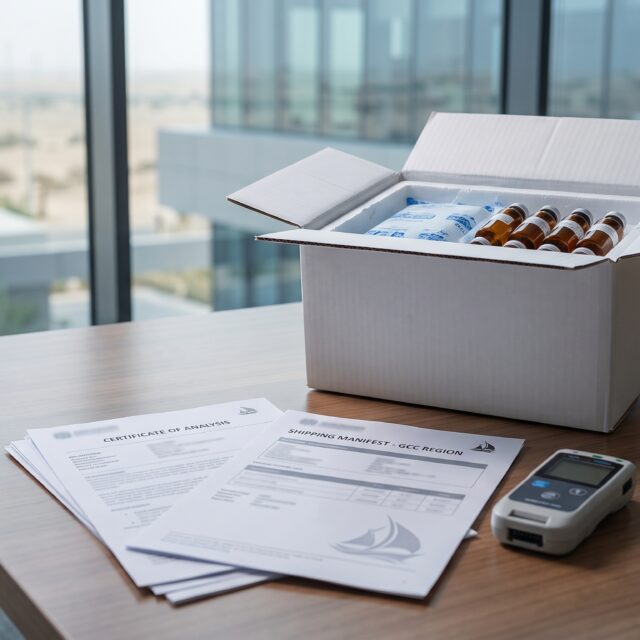
A Certificate of Analysis (COA) is only as reliable as the laboratory that issued it. In the modern grey market, forged, stolen, or AI-generated COAs are rampant.
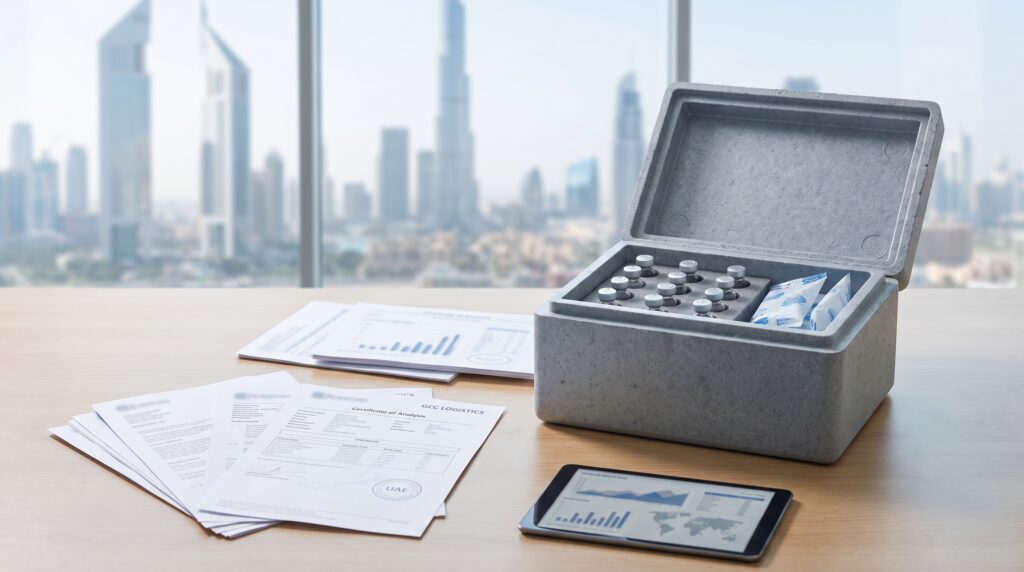
To spot a fake COA, check the document for a verifiable QR code or a distinct verification number. When scanned, this code must redirect you to the official, secure database of a recognized independent testing facility (such as Janoshik Analytical). If the QR code simply links back to a PDF hosted on the supplier’s own website, or if the laboratory cannot be independently contacted to verify the batch number, the document should be treated as fraudulent.
3. Watch for Underfilling and Mannitol Overload
A common misconception among new laboratory technicians is that the size of the lyophilized “puck” (the solid white powder disc at the bottom of the vial) indicates the volume of active peptide. This is entirely false.
Peptides are dosed in micrograms or small milligrams—amounts nearly invisible to the naked eye. To stabilize the delicate peptide structure during the freeze-drying (lyophilization) process, legitimate compounding facilities use excipients like mannitol.
Fraudulent vendors exploit this by filling vials almost entirely with mannitol while severely underdosing the active peptide. The vial appears full, but the active ingredient is only a fraction of the labeled claim. Because visual inspection is useless against this tactic, verifying quantitative independent testing is the only way to ensure accurate milligram-per-vial content.
Avoiding UAE Logistics and Customs Scams
Beyond the chemical composition of the product, researchers must evaluate the supplier’s logistical integrity. The Middle Eastern market is heavily targeted by specialized delivery scams.
The “Customs Release Fee” Extortion Scam
One of the most prevalent frauds targeting UAE buyers involves fake international vendors offering incredibly low prices. Once an order is placed, the buyer receives a fraudulent tracking number. Days later, they receive an urgent message—often via a spoofed email claiming to be from Dubai Customs or a local courier—stating the package has been seized.
The scammers then demand a “Customs Release Fee” or a “Penalty Fine” to release the shipment, explicitly insisting on untraceable cryptocurrency payments. Authentic customs authorities in the UAE do not operate via informal crypto wallets.
To bypass this risk entirely, researchers should source from suppliers that maintain established regional operations and transparent dispatch protocols. When you procure materials through channels that offer verified next day peptide delivery in the UAE, you eliminate the risk of international customs extortion and ensure your materials remain within a secure, predictable supply chain.
Why Cold-Chain Handling is Crucial in the Gulf Climate
Understanding how to spot fake peptides in the UAE also means understanding when a legitimate product has been destroyed by environmental negligence.
Lyophilized peptides are inherently fragile organic compounds. While freeze-drying stabilizes them for transport, extended exposure to high ambient temperatures—specifically anything exceeding 20°C—accelerates the degradation of peptide bonds.
In the intense summer climate of the GCC, an international shipment sitting on a hot airport tarmac or in a non-climate-controlled customs warehouse for days can render a >99% pure peptide completely inert by the time it reaches the laboratory bench. Degraded peptides will yield unreliable or entirely failed experimental results.
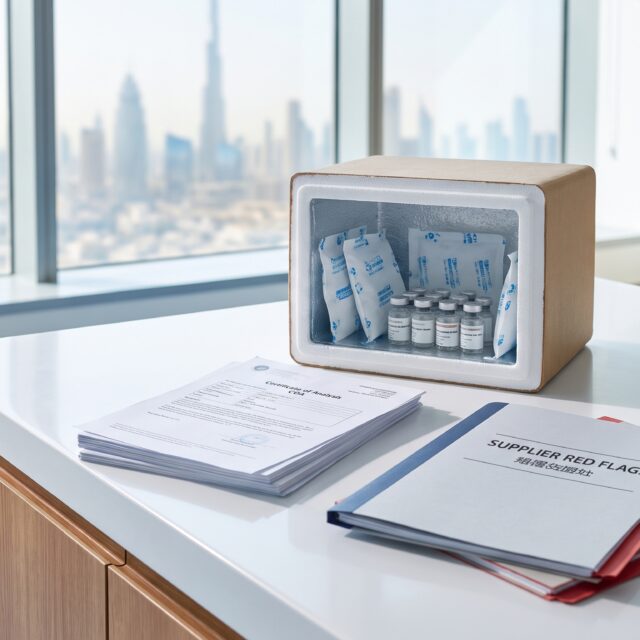
Local operational presence matters. Suppliers that stage inventory regionally in climate-controlled facilities and utilize insulated cold-chain packaging for last-mile delivery demonstrate a commitment to preserving compound integrity. If a vendor cannot clearly explain their thermal mitigation strategy for GCC shipping, it is a strong signal to look elsewhere.
Conclusion: Evaluating Your Sourcing Partners
Securing high-purity laboratory compounds requires vigilance. Whether you are expanding a research assay or evaluating long-term procurement partners, the rules remain the same: prioritize scientific data over marketing claims, demand independent verification for every batch, and ensure your logistics partner understands the unique environmental challenges of the Middle East.
By insisting on dual-tested materials (HPLC and Mass Spec), verifying COA authenticity through direct laboratory links, and utilizing localized cold-chain logistics, you can protect your research integrity and budget.
If you are ready to evaluate a catalogue of rigorously tested, regionally stocked compounds backed by transparent analytical reporting, explore our full laboratory selection at the NOVA Labs research peptide shop to review our available inventory and batch documentation.
Disclaimer: The products mentioned in this article are intended strictly for in-vitro laboratory research purposes only and are not approved for human consumption, therapeutic use, or clinical diagnostics.
*
References
- Emirates Drug Establishment (EDE) Enforcement: UAE Cracks Down on Unapproved Peptide Weight-Loss Drugs: 71 Sources and 14 Influencers Face Action, Gulf News (2024).
- Analytical Verification Standards: Chromatographic and Mass Spectrometric Analysis of Synthetic Peptides, Journal of Pharmaceutical Biomedical Analysis.
- Thermal Stability Profiles: Effects of Temperature Excursions on Lyophilized Protein and Peptide Stability, Bioprocess International.
- How To Spot Fake Peptides Bahrain & UAE: Practical Buyer Guide – NOVA Labs
- UAE Cracks Down on Unapproved Peptide Weight-Loss Drugs: 71 Sources and 14 Influencers Face Action – Gulf News
- United Arab Emirates Peptide Laws & Regulations – PeptideLaws.com
- Peptide Vendor Scams: 8 Red Flags + COA Checklist (2026) – NorthPeptide
- Thermal Stability of Lyophilized Peptides in the Gulf Climate | VaultLabs Technical Whitepaper
- How to Read a Peptide COA (Real vs Fake)
Frequently asked questions
How can I verify a peptide COA in the UAE?
You can verify a Certificate of Analysis by scanning its QR code or entering its verification number directly on the issuing third-party laboratory's official website. If the vendor's COA does not link to an independent database, it may be a counterfeit document.
What is the UAE customs release fee scam?
The customs release fee scam involves illegitimate overseas vendors holding fake shipments hostage and demanding untraceable cryptocurrency payments. Authentic suppliers operating locally in the UAE will never demand random crypto payments for customs clearance.
Does heat in the Middle East degrade peptides during shipping?
Yes, exposing lyophilized peptides to ambient temperatures above 20°C for extended periods can cause rapid degradation. Procuring from suppliers that utilize strict cold-chain logistics and insulated packaging is vital in the GCC climate.
Why do I need both HPLC and Mass Spectrometry testing?
HPLC confirms the purity percentage of a sample, but it does not confirm the actual chemical structure. Mass Spectrometry (such as LC-MS) is required to prove the chemical identity and ensure you are not buying a vial of cheap filler amino acids.
Nova Labs buyer tools
Ready to verify stock, testing and delivery?
Use the product page and lab report section to check availability, documentation, delivery timing and support before placing an order.
- COA / test-report checks
- UAE delivery context
- Cold-chain handling
- COD and card payment options
- WhatsApp support