

BAC water with acetic acid: what should a UAE lab check before ordering?
BAC water with acetic acid is an acid-containing research diluent, not a substitute for every product labelled bacteriostatic water. For a UAE laboratory, the buying decision starts with protocol compatibility, then the exact vial formulation, lot-specific documents, storage requirements and delivery conditions. Confirm those details before comparing prices or placing an order.
Buyer checklist
- Protocol fit: Does the material-specific research protocol support an acidic diluent?
- Exact item: Do the selected vial size and stated ingredients match the purchase request?
- Lot evidence: Can the seller provide a certificate of analysis (CoA) for the diluent lot, with the tests your lab requires?
- Receipt and storage: Are label instructions, expiry and shipping conditions available for the selected item?
- Delivered cost: Does checkout show the current stock status, payment options and charges for your UAE or GCC address?
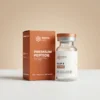
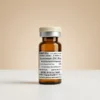
NOVA Labs’ BAC Water with Acetic Acid listing states 0.9% benzyl alcohol and 0.6% acetic acid in sterile water. Regard that as a seller-stated formulation: check the selected listing details, supplied label and lot paperwork for the item actually shipped.
How does it differ from standard bacteriostatic water?
The meaningful distinction is the ingredient list, not the word “BAC.” A DailyMed label for a different bacteriostatic-water product lists benzyl alcohol but not acetic acid. NOVA’s acidic diluent listing names both. The DailyMed example illustrates why two similarly named products need not be compositionally equivalent; its indications and handling instructions do not apply to NOVA’s research product.
An acid-containing medium may change the environment around a research material. Published peptide-formulation reviews discuss the roles of pH in solubility and aqueous stability, but they do not establish that this particular diluent suits every material. Nor does the presence of benzyl alcohol establish a universal post-opening lifetime. Those decisions depend on product-specific instructions and the laboratory’s validated procedures.
When is an acidic diluent a suitable research purchase?
Start with the documentation for the material your lab is studying. Look for an identified diluent or a validated formulation requirement, rather than inferring compatibility from a product name or another buyer’s review. If the protocol specifies a different medium, an acidic listing is not an interchangeable upgrade. If the protocol is silent, the material supplier or laboratory lead is better placed to resolve the gap than a general shopping guide.
A useful purchase request identifies the research material, the required diluent characteristics and any institutional acceptance criteria without assuming that every acidic product has the same composition. The product listing can establish what the seller says it offers; the supplied label and lot records help establish what arrived. Neither a listing nor a general formulation paper substitutes for material-specific compatibility evidence.
What should the CoA and other documents actually show?
Request a lot-specific CoA for the acidic diluent itself, particularly if your Dubai or UAE lab needs approval before issuing a purchase order. At minimum, check that the document identifies the product and lot, reports the specifications assessed and records results against those specifications. On receipt, the lot on the vial should match the document. A generic sample CoA can show document format, but it does not establish results for the lot delivered.
Read the scope of each claim carefully. A stated ingredient percentage on a product page is not, by itself, a reported batch assay. If your procurement specification calls for composition testing, pH, sterility or endotoxin information, ask whether that test appears in the lot records and what acceptance criteria were used. Do not assume all these measurements are performed or included on every CoA. Likewise, an HPLC or mass-spectrometry report for a peptide is evidence about that peptide sample, not about a separate bottle of diluent.
An SDS answers a different question: it describes hazards, precautions and other safety information for handling the product. It does not replace batch-specific test results. Keep the product label, CoA, SDS where available, purchase record and correspondence together so an inventory manager can trace a question back to the supplied lot. If a seller cannot provide a document your institution requires, resolve that before payment rather than treating a marketing claim as proof.
For cross-border procurement, classification also matters. Emirates Drug Establishment import guidance covers specified regulated medical categories; it does not, on its own, classify this research diluent or establish that every order needs a permit. An institutional buyer should confirm applicable requirements for the product and destination with its procurement or compliance team.
What should a UAE lab check on delivery and in inventory?
A parcel delivered to a Dubai reception desk has not necessarily reached its controlled storage location. At receipt, compare the item name, formulation, vial size, lot, expiry and seal condition with the order and accompanying records. Record any discrepancy before the product enters active inventory. Where shipping conditions are specified, assess the shipment against those requirements rather than relying solely on the delivery date.
Use this product’s label for sealed-vial storage instructions. Avoid copying a temperature range or shelf life from a different bacteriostatic-water label. Once a vial is opened, follow the manufacturer’s instructions and the lab’s validated standard operating procedure (SOP) for tracking, storage and disposition. A record of the opening date, lot and responsible project helps prevent an unlabelled vial from outliving its documented status.
Do not assign a universal post-opening discard period from the presence of benzyl alcohol. The expiry of a sealed diluent also does not establish the stability of any separate research preparation made with it. These are distinct inventory decisions with potentially different supporting data.
How should Dubai and GCC buyers compare delivery, payment and support?
First confirm that the selected size is in stock and note the checkout total for the actual destination. A displayed product price may not include delivery charges, payment-related fees or any charges applicable to a cross-border order. If your institution needs a quotation, invoice details or a CoA before paying, establish what the seller can provide while the order is still pending.
NOVA Labs publishes UAE delivery information, but a general delivery page should not be read as a guaranteed arrival time or shipping condition for this specific vial. Check the order cut-off, delivery availability and applicable charges for your address at checkout. For an address outside central Dubai, or elsewhere in the Emirates, ask support which conditions apply if the listing does not make them clear.
For another GCC country, confirm that the seller currently serves the destination and whether the proposed shipping conditions meet the item’s label requirements. The recipient should also check local import rules, customs documentation and potential duties. An estimated transit time is not a customs-clearance promise. If payment options or a support channel such as WhatsApp are shown at checkout, use the current information there rather than assuming an older screenshot or quote still applies.
The practical comparison is between delivered, documented items: the right formulation, a traceable lot, acceptable records and a route compatible with the stated storage requirements. A lower listed price is less useful if an institutional buyer cannot verify those basics.
Next step: If your research protocol supports this formulation, review the NOVA Labs BAC Water with Acetic Acid listing and contact support to confirm the selected vial, required lot documents and dispatch conditions before ordering.
For research purposes only. Not intended for human consumption or clinical use.
References
- NOVA Labs: BAC Water with Acetic Acid — seller-stated formulation and product information; verify against the supplied item.
- NOVA Labs: UAE delivery information — general seller delivery information; confirm applicability to the selected item and address.
- Physicochemical and Formulation Developability Assessment for Therapeutic Peptide Delivery—A Primer — background on formulation and solubility considerations, not a compatibility assessment for this diluent.
- Designing Formulation Strategies for Enhanced Stability of Therapeutic Peptides in Aqueous Solutions — background on formulation-dependent aqueous stability.
- Bacteriostatic Water for Injection, USP — DailyMed — example label for a different product, not instructions for NOVA’s research diluent.
- Emirates Drug Establishment: Permit to Import Medical Items and Products — guidance for specified regulated categories, not a classification of this product.
- Recommendations for the generation, quantification, storage and handling of peptides used for mass spectrometry-based assays — PMC
Frequently asked questions
What is BAC water with acetic acid?
It is an acid-containing research diluent. NOVA Labs’ listing states 0.9% benzyl alcohol and 0.6% acetic acid in sterile water. Verify the formulation against the supplied label and lot records. For research purposes only; not for human consumption.
Is BAC water with acetic acid the same as standard bacteriostatic water?
No. The acidic formulation lists acetic acid, while some products labelled bacteriostatic water do not. Compare the exact ingredient lists and use the formulation supported by the material-specific research protocol.
When would a research lab choose an acidic diluent?
When its material-specific protocol or validated supplier information supports that formulation. Solubility and stability can depend on pH, so an acidic diluent is not a universal default.
How should opened BAC water with acetic acid vials be stored?
Follow the supplied product instructions and your laboratory’s validated SOP. Record the lot and opening date. Do not assume a universal post-opening period or apply the diluent’s expiry to a separate research preparation.
Can I request a lot-specific CoA before ordering in the UAE?
Yes, ask the seller whether a CoA for the acidic diluent lot is available and which tests it reports. Match the document’s lot to the vial received. An SDS provides safety information but does not replace batch test results.
What should I check before ordering this diluent for delivery to another GCC country?
Confirm current shipping availability, charges and conditions for your destination. The recipient should also check local import requirements and possible duties; a delivery estimate does not guarantee customs clearance.
Nova Labs buyer tools
Ready to verify stock, testing and delivery?
Use the product page and lab report section to check availability, documentation, delivery timing and support before placing an order.
- COA / test-report checks
- UAE delivery context
- Cold-chain handling
- COD and card payment options
- WhatsApp support