
When establishing a local laboratory or preparing for multi-phase research, securing the correct solvent is a fundamental early step. For those seeking bacteriostatic water for peptides abu dhabi, the procurement process frequently encounters immediate local roadblocks.
The Sourcing Reality of Bacteriostatic Water for Peptides Abu Dhabi
Finding bacteriostatic water for peptides Abu Dhabi can be challenging because standard retail pharmacies only carry single-use sterile water. For multi-dose research protocols, buyers must source 0.9% benzyl alcohol bacteriostatic water from specialized suppliers that provide batch-tracked laboratory documentation and temperature-controlled local logistics.
Researchers new to the UAE often begin their procurement journey by visiting prominent local pharmacy chains across the capital. However, the commercial pharmacy landscape in the GCC is strictly segmented. Standard retail pharmacies stock clinical consumables meant for immediate, single-dose administration. As a result, they carry Sterile Water for Injection (SWFI), but they do not stock multi-dose bacteriostatic preparations containing antimicrobial preservatives.
This structural limitation forces informed buyers to look toward specialized online laboratory suppliers operating within the UAE. Relying on international shipments for solvent procurement introduces significant risks, primarily due to the region’s intense heat and unpredictable customs clearance times. If a package containing sensitive research liquids sits on a non-insulated tarmac at Zayed International Airport (AUH) for multiple days, the product is compromised before it even reaches the laboratory door.
For a bacteriostatic water for peptides guide abu dhabi, the primary directive is this: source locally from specialized vendors who hold inventory within the UAE, bypass international transit delays, and utilize robust cold-chain or temperature-stabilized local shipping networks.
Sterile Water vs. Bacteriostatic Water: Research Impact
To understand why procurement requires specialized focus, it is crucial to clearly delineate between the two most common types of laboratory diluents. Utilizing the wrong solvent can rapidly degrade expensive research compounds and invalidate entire experimental protocols.
Sterile Water for Injection (SWFI) is plain water that has been sterilized. It contains zero preservatives. In a sterile laboratory environment, the moment a needle punctures the septum of an SWFI vial, it is exposed to airborne contaminants. It must be utilized immediately for a single application, and any remaining liquid discarded. If SWFI is used to reconstitute a multi-dose research vial, rapid bacterial growth will commence almost instantly, rendering the compound unviable for prolonged study.
Bacteriostatic water, on the other hand, is specifically engineered for sustained, multi-use workflows. It contains 0.9% benzyl alcohol, which serves as a highly effective antimicrobial preservative. This specific concentration is precisely calibrated to halt the reproduction of most bacteria without degrading the fragile molecular bonds of complex amino acid chains. Because of this protective layer, a vial of bacteriostatic water can endure repeated septa punctures over a standard 28-day lifecycle.
For researchers executing longitudinal studies requiring frequent aliquoting from a single source vial, utilizing bacteriostatic water for peptides in abu dhabi is an absolute necessity, not merely a preference.
Climate-Proof Handling: Surviving the 40+ Degree UAE Heat
The climate of the United Arab Emirates introduces a formidable variable into laboratory logistics. With summer ambient temperatures regularly exceeding 40 degrees Celsius (104 degrees Fahrenheit), thermal degradation is a constant threat to delicate biological compounds and their associated solvents.
Both unmixed peptides and their bacteriostatic diluents require deliberate temperature management. While unopened bacteriostatic water can generally be stored at controlled room temperature (typically defined as 20 to 25 degrees Celsius), it should never be subjected to the extreme heat fluctuations common in standard courier vans navigating the Emirates.
Once reconstitution occurs—meaning the bacteriostatic water is introduced into the lyophilized peptide vial—the environmental rules shift dramatically. The resulting solution becomes highly sensitive to both thermal stress and physical kinetic shock.
To preserve the integrity of the compounds, researchers must adhere to strict handling protocols:
- Immediate Refrigeration: Reconstituted solutions must be immediately transferred to a dedicated laboratory refrigerator, maintained strictly between 2 and 8 degrees Celsius.
- Photolytic Protection: Vials must be shielded from direct sunlight and ambient ultraviolet radiation, which can accelerate the breakdown of complex molecular structures.
- Kinetic Stability: Vials should never be shaken vigorously. To mix the solvent with a lyophilized compound, the vial should be gently swirled or rolled between the fingers. Aggressive agitation can physically sheer the amino acid bonds.
- The 28-Day Rule: Regardless of perfect refrigeration, the 0.9% benzyl alcohol preservative begins to lose its antimicrobial efficacy over time. Any mixed vial must be safely disposed of 28 days after the initial puncture.
Verifying Supplier Quality in the UAE Market
When evaluating where to procure solvents and associated lab materials, UAE researchers must rely on tangible documentation rather than marketing claims. The marketplace features varying tiers of quality, and establishing a secure supply chain requires diligent verification of supplier credibility.
First and foremost, buyers should demand transparency regarding batch tracking and lot numbers. Reputable suppliers maintain strict inventory controls, meaning every vial of bacteriostatic water should be traceable back to its production run. This ensures accountability in the rare event of a manufacturing anomaly.
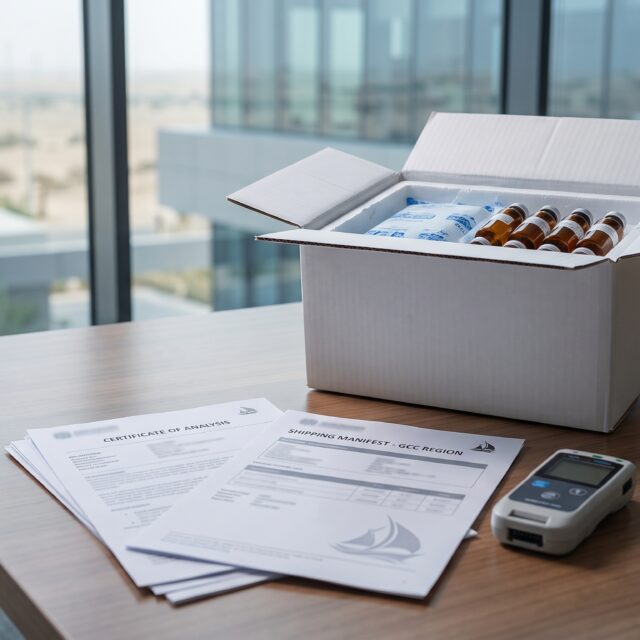
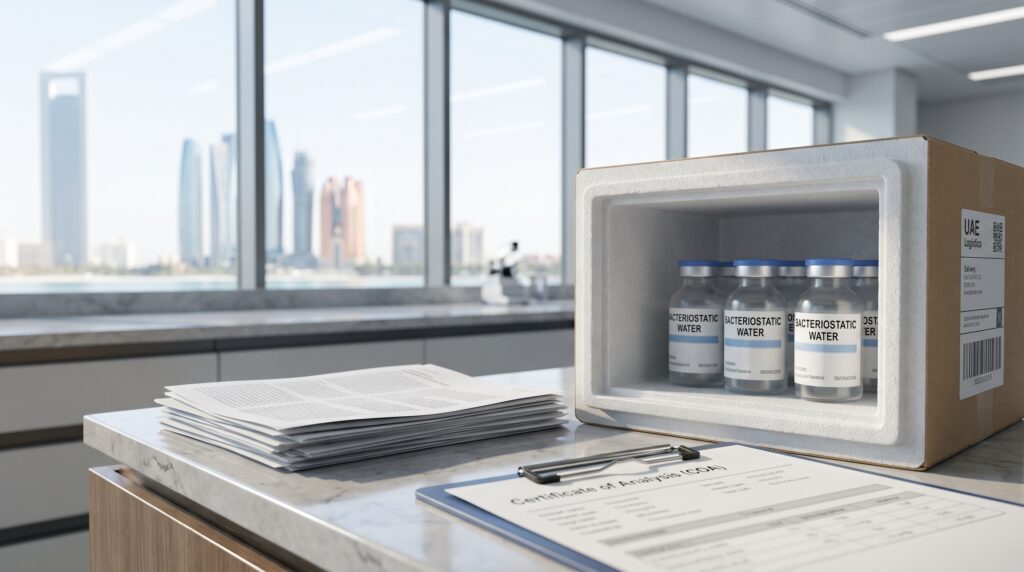
Furthermore, the gold standard for trust in the research material sector is the Certificate of Analysis (COA). A robust supplier will routinely publish or provide COAs generated by independent analytical laboratories. These documents verify that the solvent is free from heavy metal contamination, precise in its 0.9% benzyl alcohol concentration, and entirely sterile prior to dispatch.
At NOVA Labs, we understand that our commercial clients base their purchasing decisions on verifiable data. By operating with complete transparency regarding our inventory’s sourcing and testing documentation, we provide the peace of mind required for rigorous laboratory work.
Delivery, Payment, and Logistics in Abu Dhabi
The operational mechanics of acquiring laboratory materials in Abu Dhabi are just as critical as the chemical makeup of the products themselves. Even the highest-grade bacteriostatic water is useless if it spends two weeks stalled in customs or is damaged during transit.
Local buyers are increasingly turning away from overseas distributors in favor of highly optimized UAE-based operations. A premier local supplier should offer a seamless, localized checkout experience that respects the payment preferences of the GCC market. This includes offering localized credit card processing, Apple Pay, and the highly preferred Cash on Delivery (COD) option, which allows procurement officers and researchers to inspect their delivery before finalizing payment.
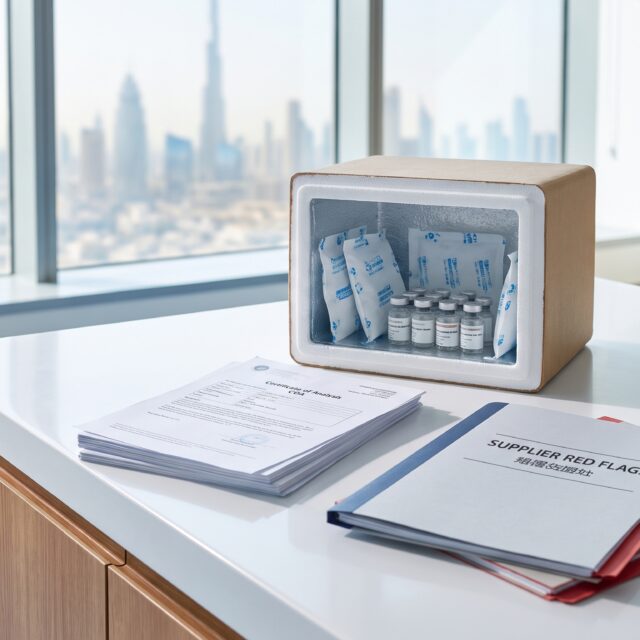
Equally important is the physical transit process. To combat the UAE climate, specialized vendors utilize secure, insulated packaging designed to mitigate rapid temperature shifts during the journey from Dubai to Abu Dhabi.
For those looking to streamline their supply chain, leveraging local stock means entirely avoiding the friction of international borders. Researchers can easily source their necessary solvents and equipment locally, ensuring their workflows remain uninterrupted. To review our reliable logistics infrastructure and transit windows, explore our fast UAE next-day delivery options.
Bottom Line for Abu Dhabi Researchers
Successfully sourcing bacteriostatic water for peptides in abu dhabi requires moving past standard retail pharmacies and establishing a relationship with specialized, locally operating laboratory suppliers. By prioritizing vendors who offer transparent batch tracking, verifiable COAs, robust thermal packaging, and flexible local payment methods like COD, researchers can safeguard their investments and their experimental timelines.
The UAE’s extreme climate demands a proactive approach to handling and storage. By mastering the 28-day lifecycle rule, enforcing strict 2 to 8 degrees Celsius refrigeration post-reconstitution, and avoiding damaging kinetic agitation, laboratories can maximize the viability of their materials.
For researchers intent on procuring high-purity laboratory solvents alongside comprehensive testing documentation and dependable local transit, NOVA Labs provides a streamlined, secure solution. When you are ready to upgrade your procurement strategy and bypass the delays of international shipping, explore our research product catalogue to find the exact materials your protocols demand.
Disclaimer: The products mentioned in this article are for laboratory research purposes only and are not intended for human consumption or diagnostic use.
References
- United States Pharmacopeia (USP). <1151> Pharmaceutical Dosage Forms – Bacteriostatic Water for Injection standards.
- Good Laboratory Practice (GLP) Guidelines: Temperature Management and Cold-Chain Integrity in Hot Climates.
- UAE Ministry of Health and Prevention (MOHAP): Regulations on Clinical Consumables vs. Laboratory Reagents.
- Bacteriostatic Water For Peptides Abu Dhabi: Practical Buyer Guide – NOVA Labs
- Bacteriostatic Water UAE | 3ml & 10ml – VaultLabs
- Bacteriostatic Water – DXB Supps
- Bac water 11m – Roids UAE
- Research Guides | Peptides Defined
- NOVA Labs Discount Code: PROFPEPTIDE — Save 10%
- Navigating the Landscape of Peptides Lab UAE
Frequently asked questions
Why do Abu Dhabi pharmacies not sell bacteriostatic water?
Standard retail pharmacies in the UAE only stock single-use sterile water for injection (SWFI), as their inventory focuses on immediate single-dose clinical use rather than multi-dose laboratory research workflows.
How long does bacteriostatic water last after opening?
Due to the 0.9% benzyl alcohol preservative, bacteriostatic water maintains its antimicrobial properties for a maximum of 28 days after the vial is first punctured, provided it is stored correctly in a refrigerated environment.
What is the difference between sterile water and bacteriostatic water?
Sterile water contains no preservatives and must be discarded immediately after a single use to avoid contamination. Bacteriostatic water contains 0.9% benzyl alcohol, which prevents bacterial growth and allows for safe, repeated vial punctures over a multi-week period.
Can I order bacteriostatic water for next-day delivery in Abu Dhabi?
Yes, specialized laboratory suppliers operating within the UAE offer expedited, temperature-controlled transit to Abu Dhabi, bypassing the delays and heat risks typically associated with international customs clearance.
Nova Labs buyer tools
Ready to verify stock, testing and delivery?
Use the product page and lab report section to check availability, documentation, delivery timing and support before placing an order.
- COA / test-report checks
- Abu Dhabi delivery context
- Cold-chain handling
- COD and card payment options
- WhatsApp support